Dena'ina Homelands
This land remembers.
Dena'inaq ełnen'aq' gheshtnu ch'q'u yeshdu.
I live and work on Dena'ina land.
Translation by Sondra Shaginoff-Stuart and Joel Isaak
Dena'ina Ełnena
Long before the first prospectors arrived, the land surrounding Turnagain Arm and the Kenai Peninsula was home to the Dena'ina Athabascan people — the only Athabascan group in Alaska to traditionally inhabit coastal regions. Their homeland, known as Dena'ina Ełnena, stretched across south-central Alaska from the shores of Cook Inlet deep into the interior.
The Dena'ina developed a sophisticated culture rooted in the rhythms of the natural world. Five species of Pacific salmon — king, sockeye, pink, chum, and silver — formed the cornerstone of their subsistence economy. They fished the creeks and rivers, hunted moose, caribou, and harbor seals along the inlet, and gathered berries and wild plants across the tidal flats and alpine meadows that define this landscape.
Their society was organized around extended family groups, led by a qeshqa — a respected leader whose authority was earned through generosity and wisdom. Villages were connected by an intricate network of trails through the mountains, many of which would later become the routes used by gold seekers and eventually the historic Iditarod Trail.
The Dena'ina name for the region around Hope reflects their deep, generational knowledge of this place — its tides, its wildlife migrations, its seasonal patterns. When we gather here at the Seaview, we do so on land that has sustained human life for thousands of years.
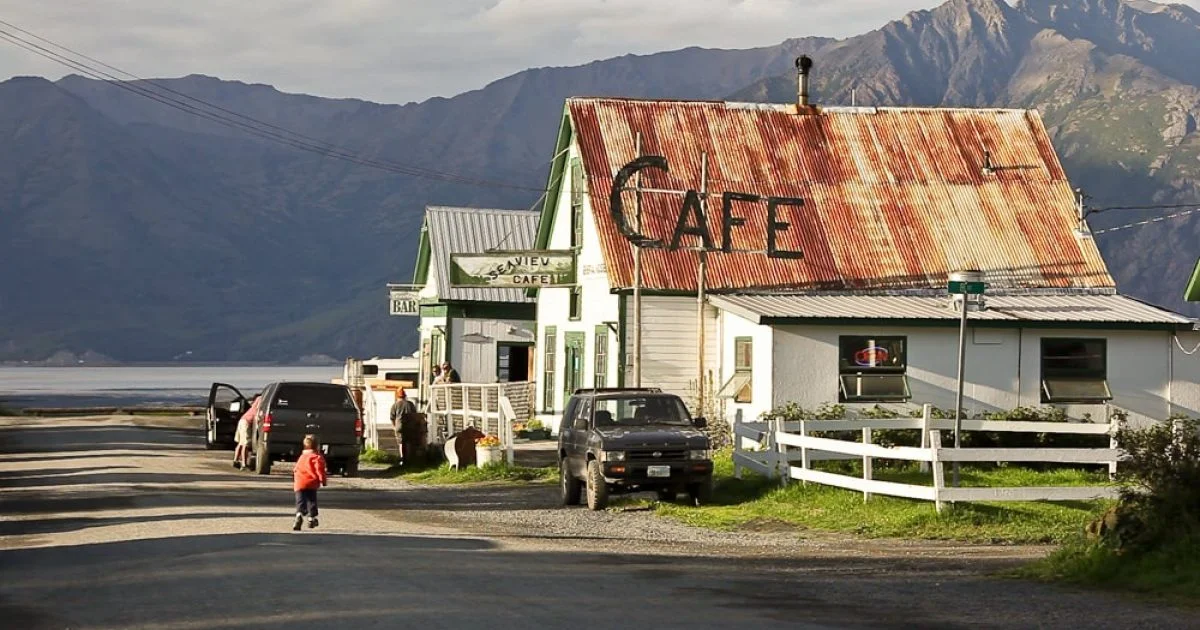
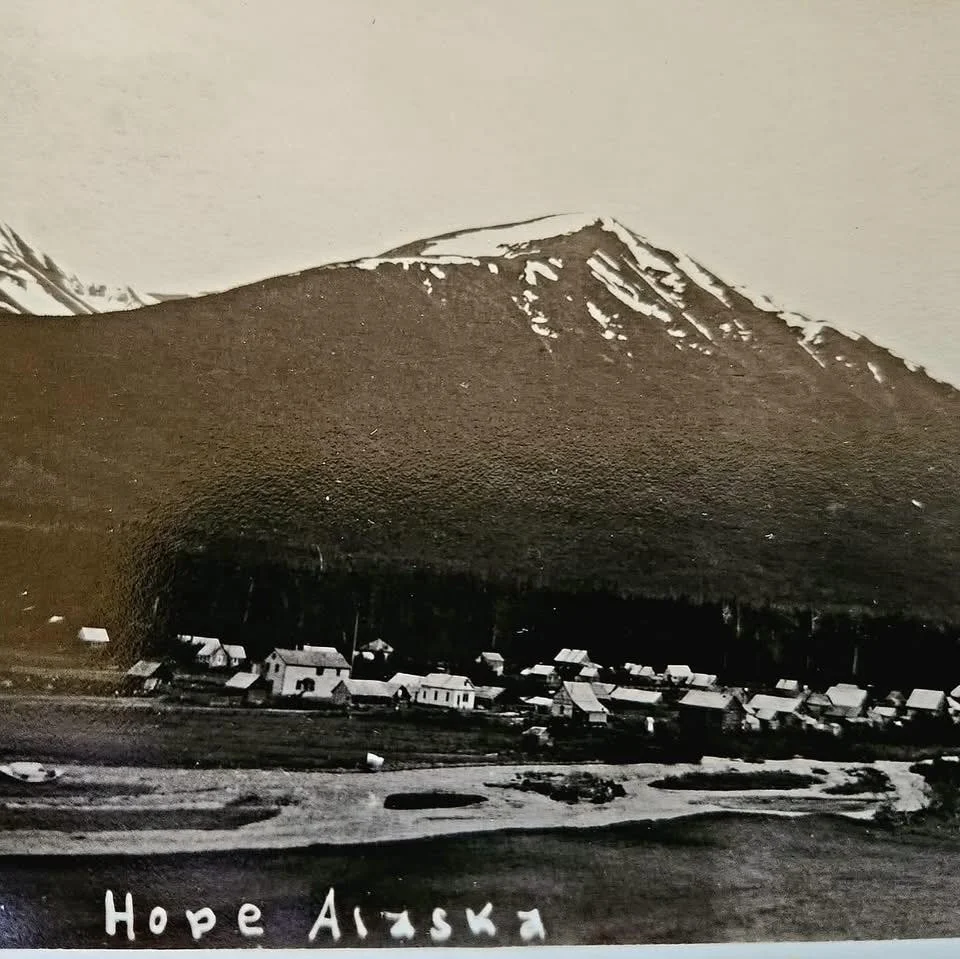
Hope, Alaska — Photo via Alaska Channel
Hope City, 1896
Gold was first discovered on the Kenai Peninsula by the Russian American Company as early as 1850. But it was the American prospector Alexander King who found gold along Turnagain Arm between 1888 and 1889, and Charles Miller who staked the first claim on Resurrection Creek in 1893.
In 1895, word of a successful cleanup at the Polly Mine spread to a United States deep in economic depression. By the spring of 1896, thousands of gold seekers had arrived by ship at Cook Inlet — a full year before the more famous Klondike Gold Rush would begin in the Yukon.
Two towns sprang up almost overnight: Hope City, at the mouth of Resurrection Creek, said to be named after a 17-year-old prospector named Percy Lee Hope; and Sunrise City, at the mouth of Sixmile Creek, named for the way the sun appeared to rise three times from behind the steep surrounding peaks. By 1898, Sunrise City was briefly the largest city in all of Alaska.
The boom was intense but short-lived. When the Klondike strikes made headlines in 1897 and 1898, many miners abandoned Turnagain Arm for the Yukon. But some stayed. They built cabins, planted gardens, raised families. Hope never disappeared — it simply got quieter.
Dena'ina Athabascan people inhabit the Turnagain Arm region, building a coastal subsistence culture around salmon, seals, and the tidal ecosystem.
Captain James Cook sails into Cook Inlet. His crew, unable to navigate beyond the arm, turns back — giving Turnagain Arm its name.
Russian American Company discovers gold on the Kenai Peninsula.
Alexander King finds gold along Turnagain Arm.
Charles Miller stakes the first claim on Resurrection Creek.
The Turnagain Arm Gold Rush. Thousands arrive by ship. Hope City and Sunrise City are founded.
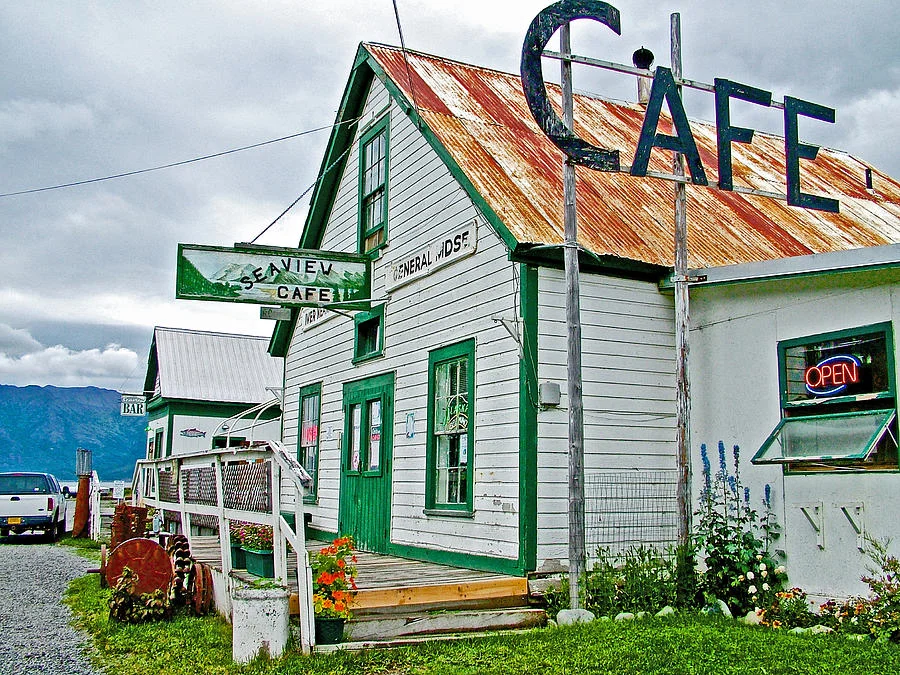
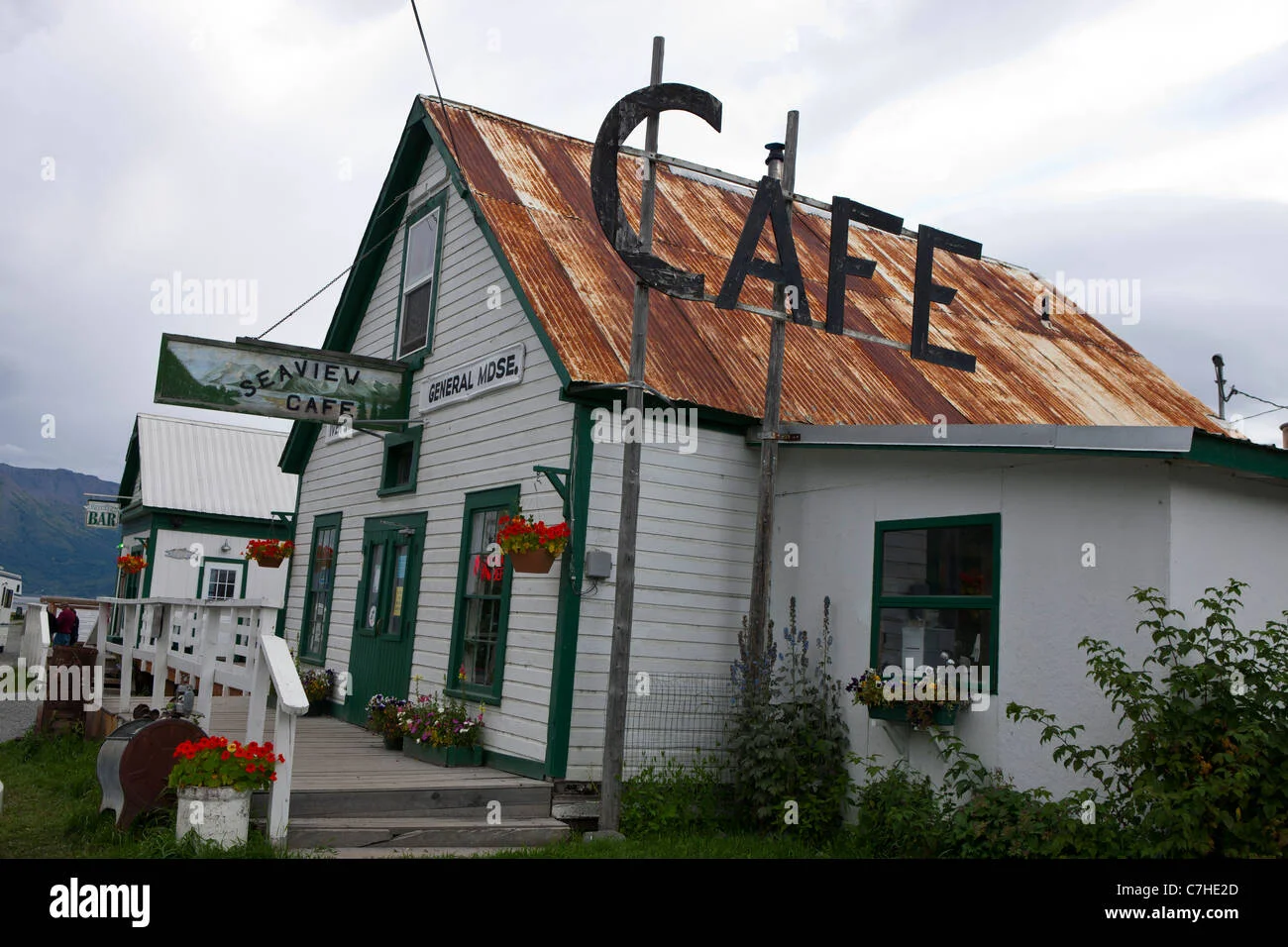
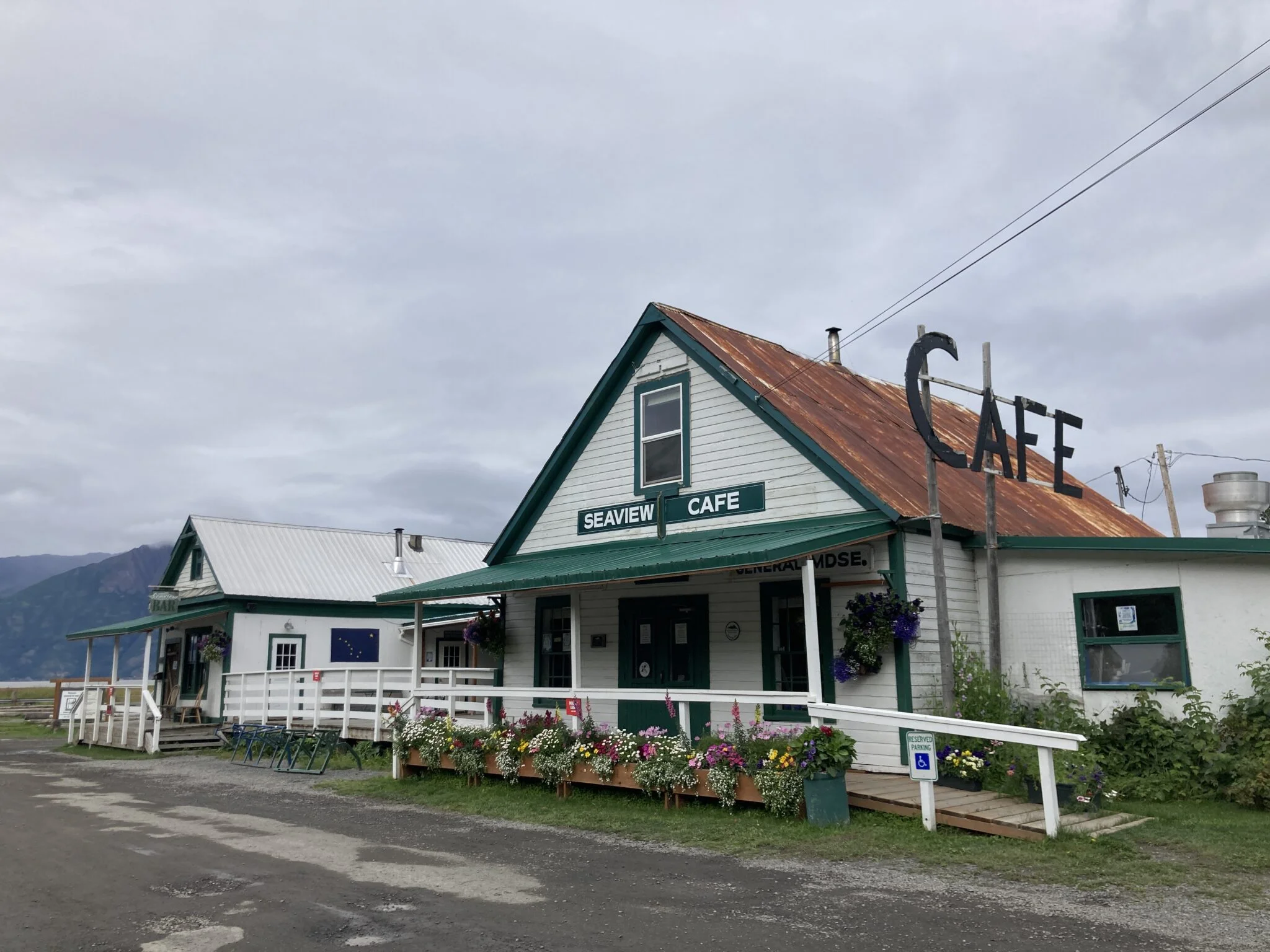
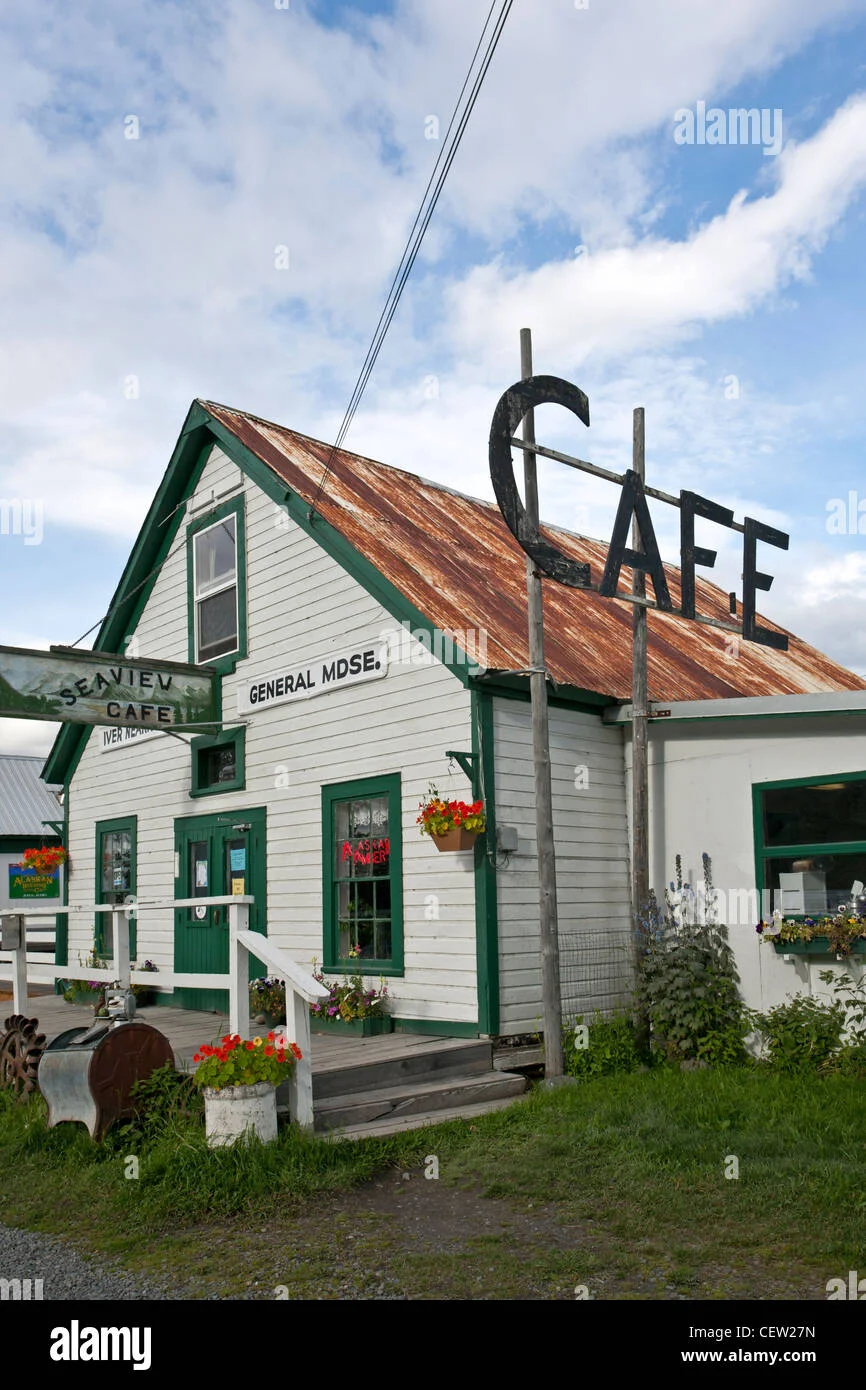
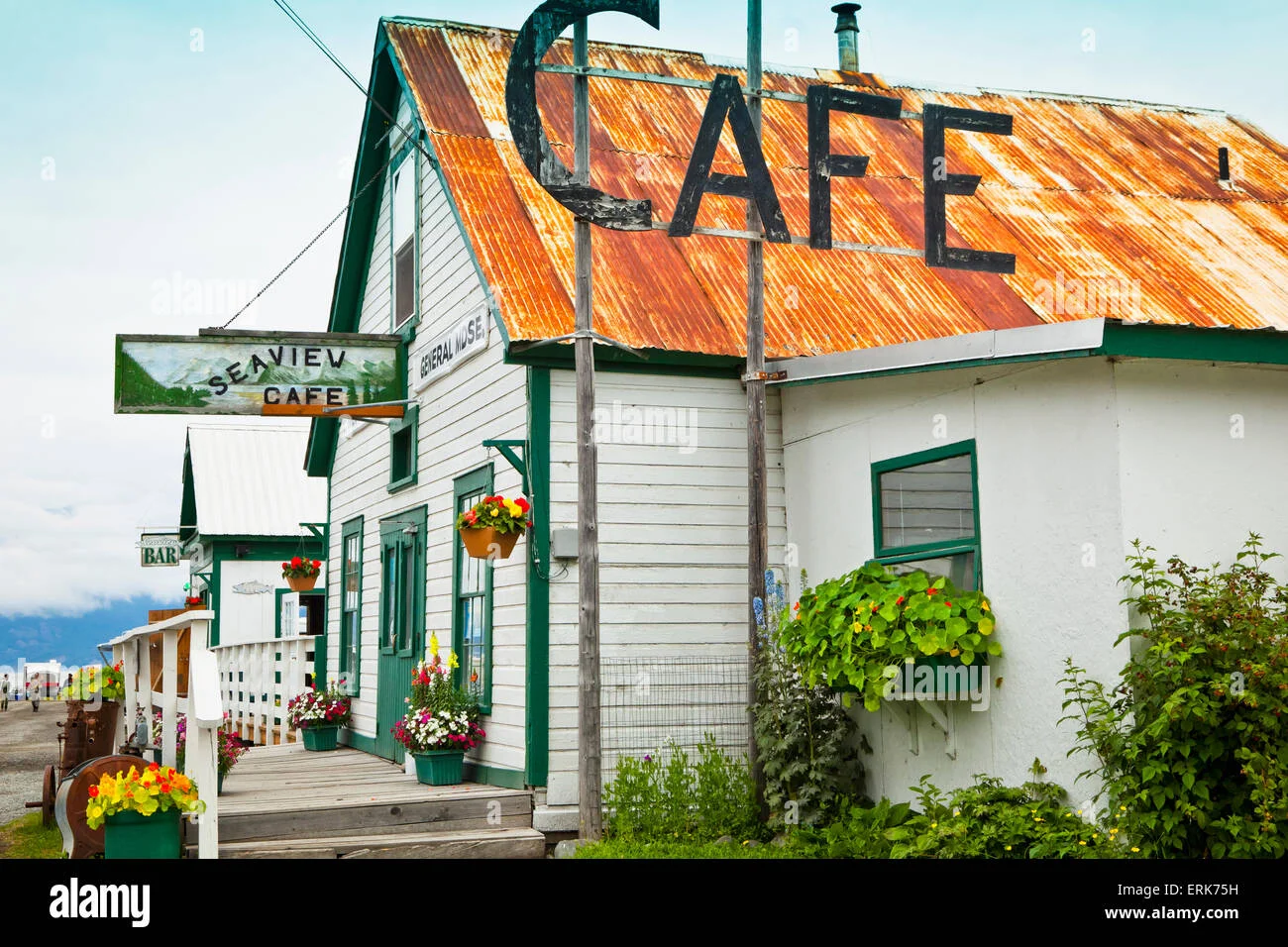
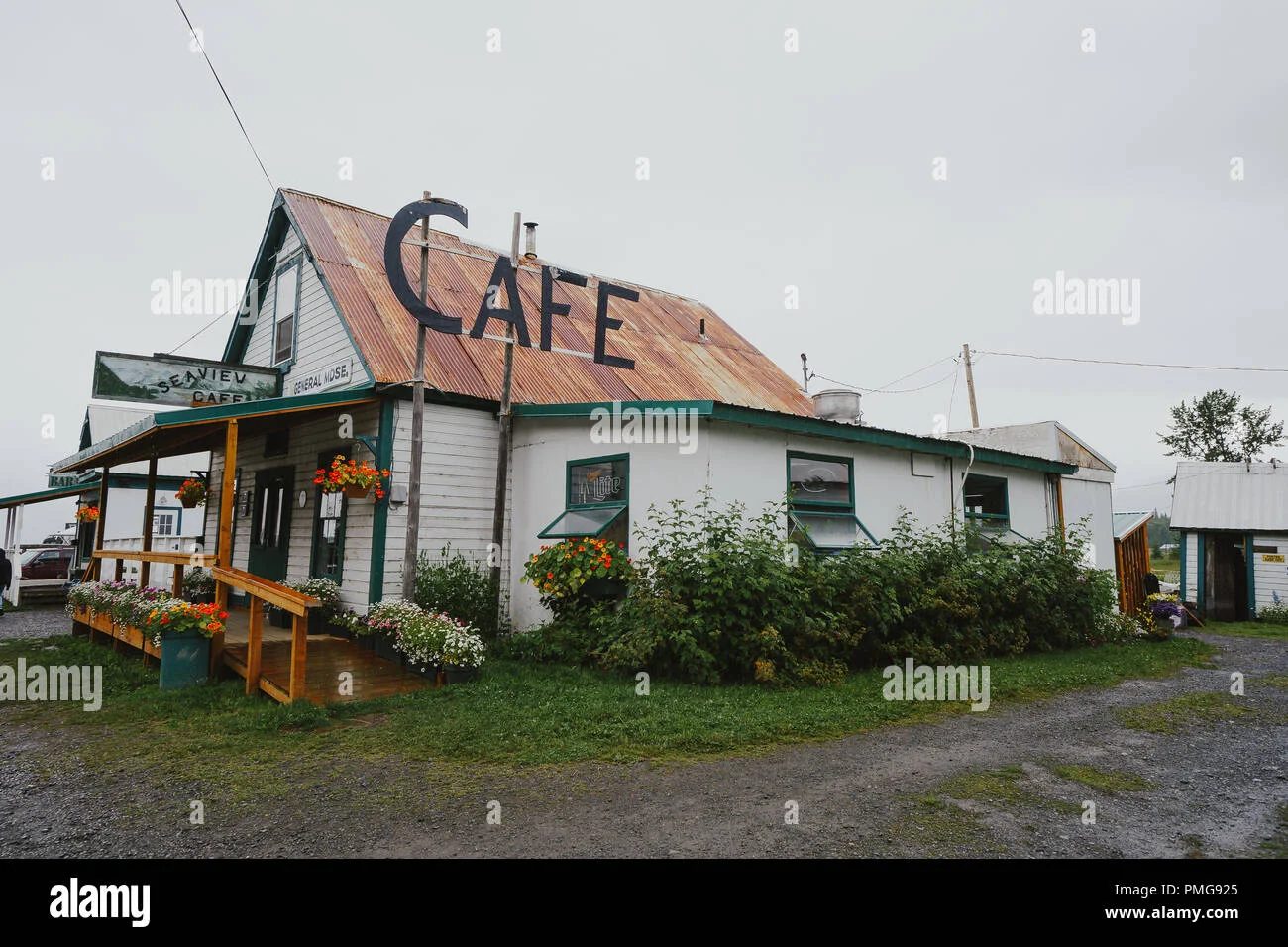
The Seaview Cafe building is constructed — originally as a general merchandise store serving miners and settlers.
Sunrise City briefly becomes the largest settlement in Alaska. The Klondike rush begins to pull miners north.
The Alaska Commercial Company establishes a regular supply route to Hope.
Hope settles into a small, year-round community. The general store becomes the Seaview Cafe.
The Great Alaska Earthquake devastates parts of Turnagain Arm. Hope endures.
Hope is recognized as a historic district and listed on the National Register of Historic Places.
The Seaview continues as a gathering place — cafe, bar, campground, and stage — carrying forward over a century of hospitality on Dena'ina land.
A Place That Endures
The Hope Historic District — the original log cabins, the weathered signs, the rusted tin roof of the Seaview — is listed on the National Register of Historic Places. But the real history isn't in the buildings. It's in the land itself, the tides that still rise and fall in the arm, the salmon that still return to Resurrection Creek, and the people who have called this place home for generations.
We are grateful to be here.